Hotel brand partnerships in Venice.
- Market tier
- Ultra-premium captive heritage luxury destination
- Hotel tiers
- grand luxury, five-star palazzo, and boutique
- Rates
- €450–€1,800+ per night for grand luxury and five-star palazzo; Carnival and Biennale peaks exceed €3,000
- Seasonality
- peaks April–June and September–October; Carnival (February) and Art Biennale years create exceptional demand; November–March quietest for leisure
Six brand categories. One market. Specific answers.
Each guide covers the revenue model, the formats that work in Venice and the questions to ask before a partnership is agreed.
Wellness Brands in Venice
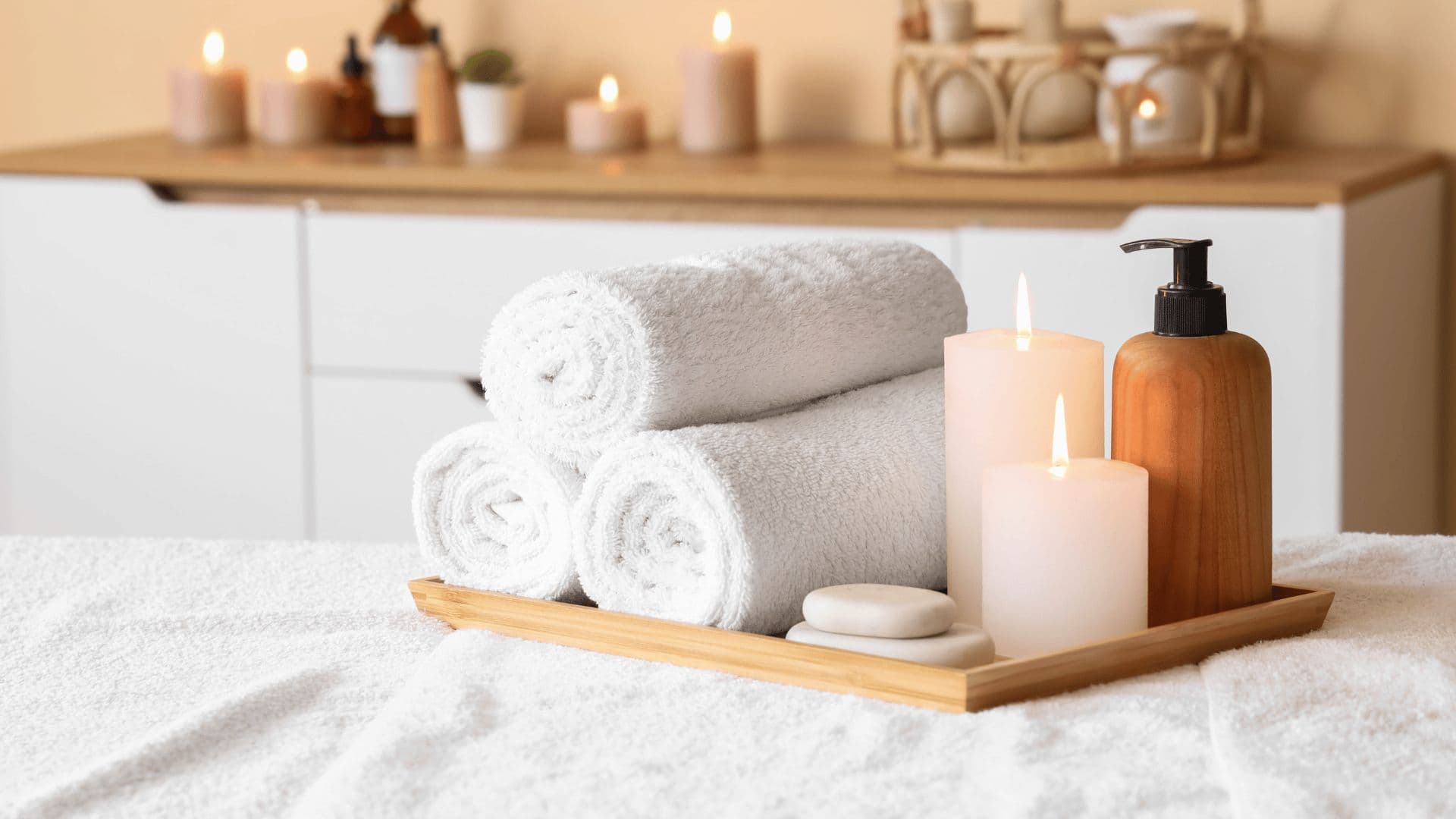
Spa, mindfulness, sleep, recovery, and holistic health brands. Revenue model: placement licence fees, spa revenue share, and affiliate commission.
Read the guide →
Fitness Brands in Venice
Performance apparel, equipment, coaching, and active recovery brands. Revenue model: placement fees, branded programme fees, and affiliate commission.
Read the guide →
Nutrition Brands in Venice
Premium supplements, functional beverages, and clean snacking brands. Revenue model: placement fees, retail margin on minibar and concession sales.
Read the guide →
Skincare Brands in Venice
Luxury and science-led skincare for bathroom and spa placement. Revenue model: supply agreements, retail margin, and spa treatment fees.
Read the guide →Lifestyle Brands in Venice
Fragrance, sustainable living, and premium lifestyle accessories. Revenue model: retail margin, campaign fees, and residency activation fees.
Read the guide →
Sport Brands in Venice
Professional sport, performance equipment, and event nutrition brands. Revenue model: placement fees, programme income, and campaign fees.
Read the guide →Why Venice hotels are building brand partnerships now.
ADR compression is real
Rate-driven revenue has a ceiling. In Venice, where ultra-high-net-worth cultural and leisure guests on high-spend stays of 2–4 nights set the benchmark, brand partnerships open ancillary revenue that room rate alone cannot reach – spa, minibar, wellness, in-room product placement and retail concessions.
TRevPAG is the right metric
Total Revenue per Actual Guest – not just RevPAR – is the metric that captures partnership value. Most Venice hotels are not benchmarking it yet. That gap is the opportunity: the hotels that move first own the brand relationships before the market catches up.
Guest expectations have shifted
Ultra-premium captive heritage luxury destination guests arriving in Venice expect curated, brand-literate experiences. Generic amenities no longer suffice. Matched correctly to the property's positioning, a branded partnership becomes a revenue line, a differentiator and a guest experience driver at once.
What shapes the deal in Venice.
Competitive landscape. Grand Canal and San Marco properties command market-defining ADRs; captive geography means competitive differentiation is on brand narrative rather than location.
Partnership climate. Captive UHNW guest profile with high per-stay spend creates ideal brand partnership conditions; exclusivity and art or culture-linked brand narratives command strongest placement investment.
Map your Venice property's partnership opportunities.
The Property Partnership Map shows which brand categories and formats fit which touchpoints across your property – not a generic benchmark, your actual spaces. Free · No account required · 5 minutes.