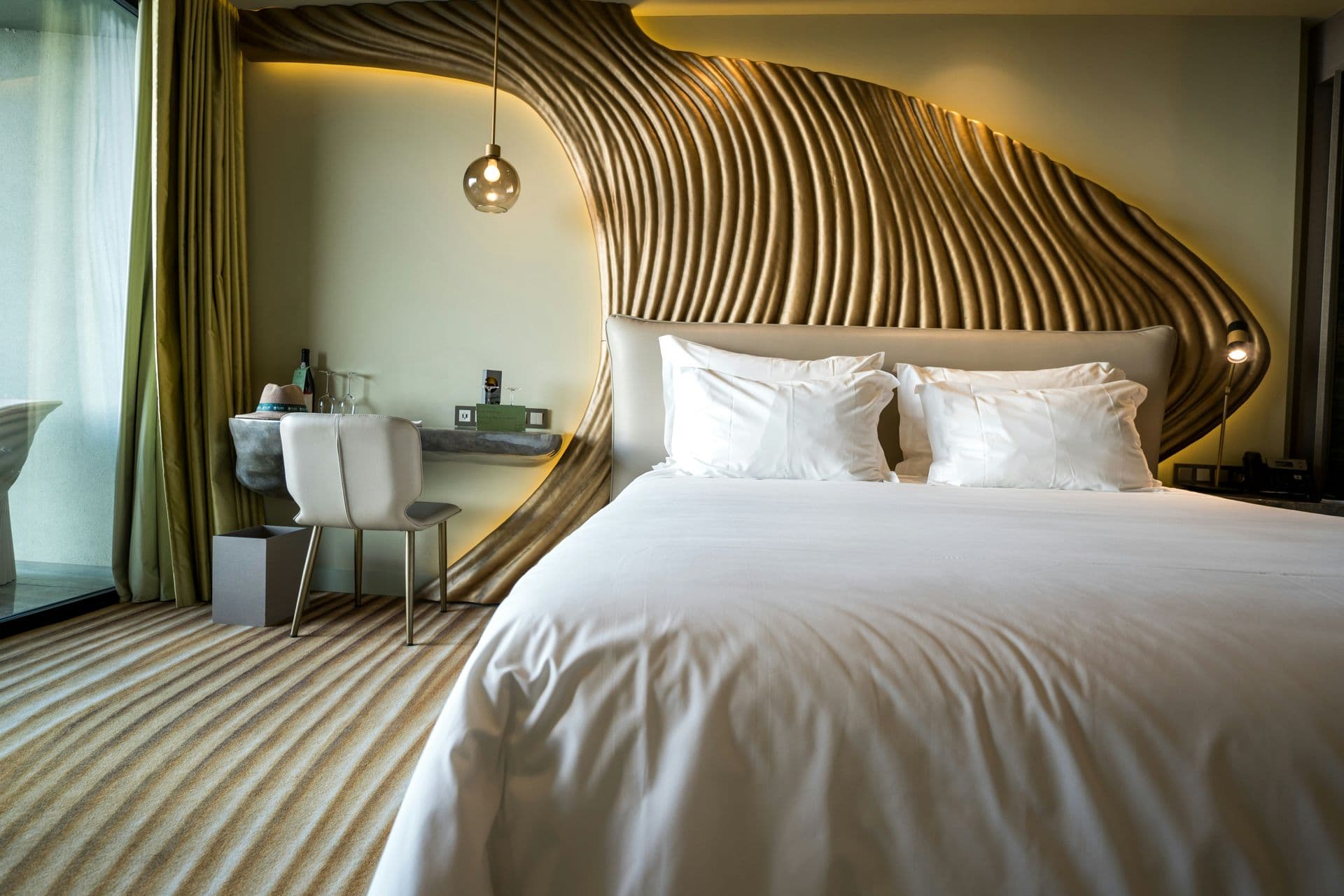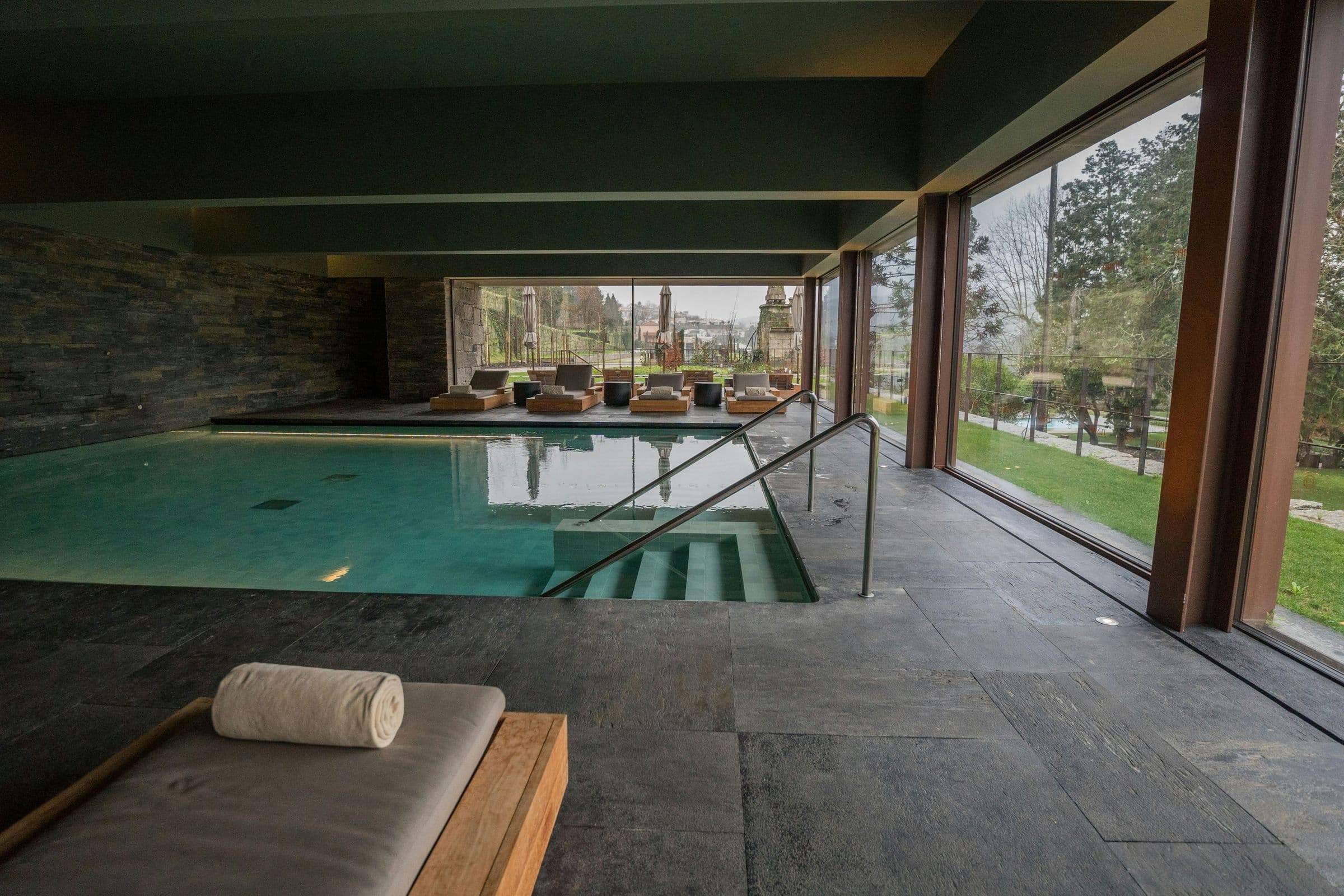
The more useful question is not "which brands?" but "which brand categories fit my property's specific guest profile and physical footprint?" The answer varies considerably between a city-centre business hotel with a rooftop spa and a countryside estate built around wellness as the primary draw. Getting the category right precedes identifying the brand.
01The six wellness brand categories that map to hotel environments
Skincare and beauty brands are the most established category in UK luxury hotels, operating predominantly through the bath amenity programme, spa retail, treatment menu co-creation, and in-room product placement. Premium positioning is non-negotiable at the five-star level – guests associate the quality of the bath amenity with the quality of the hotel. Brands that work in this category offer a genuine skincare story, ideally with provenance or ingredient narrative that holds up in a luxury context.
Sleep and recovery brands have grown rapidly as wellness travel has matured. This category includes sleep supplements, cooling and weighted bedding, aromatherapy systems, sleep soundscapes, and blue-light management products. The in-room environment is the natural home for this category, and the commercial formats that perform best are supply contracts for consumables combined with content partnerships that tell the sleep story through the in-room tablet or welcome material.
Nutrition and functional beverage brands operate primarily through the minibar, the in-room welcome amenity, the breakfast programme, and F&B menus. The commercial relationship is typically a supply arrangement with the hotel purchasing at preferential rates and retaining full retail margin on in-room sales. Premium UK hotels have moved well beyond the single-serve water bottle – adaptogen beverages, collagen drinks, and botanical supplement ranges are increasingly present in five-star in-room offers.
Fitness and active recovery brands – compression wear, foam rollers, guided movement programmes, cold therapy equipment, red light devices – are a growing category particularly in hotels with dedicated fitness facilities or outdoor programmes. The partnership format is often more experiential: the brand provides equipment or programming in exchange for brand presence and guest data access rather than a direct product sales model.
Mental wellness brands – mindfulness apps, breathwork programmes, digital detox toolkits, journalling systems – operate primarily through digital channels and the in-room experience. The commercial relationship is often content licensing: the hotel pays for programme access, or the brand provides the content in exchange for endorsement and guest reach. For hotels positioning around wellbeing as a core brand pillar, this category adds depth to the narrative.
Lifestyle and fragrance brands occupy the most premium and least commoditised end of the wellness partnership spectrum. A partnership with a niche fragrance house, a heritage apothecary brand, or a luxury candle maker signals positioning rather than generates direct revenue. These partnerships are most valuable when the brand story resonates specifically with the hotel's own positioning – they add to the guest experience narrative and support rate integrity rather than driving ancillary sales volume.
02What five-star UK hotels actually look for in a wellness partner
Brand positioning is the non-negotiable first filter. At the five-star level, the brand must genuinely sit in the luxury or premium segment – not adjacent to it, not aspirationally positioned there. A skincare brand that sells through Boots cannot credibly occupy the same bathroom shelf as The Connaught's brand story, however premium the individual product.
Guest demographic alignment is the second filter. A hotel with a predominantly business travel guest base booking Monday to Thursday at corporate rates needs different wellness partners from a leisure-led property with high couples and family occupancy at weekends. The guest profile determines which wellness categories will generate the highest in-room engagement and whether the brand's core customer matches the person who will encounter the product.
Operational simplicity matters more at the hotel level than brands typically expect. A partnership that requires extensive staff training, complex restocking logistics, refrigeration, or a dedicated brand representative on-property will face internal resistance regardless of how attractive the commercial terms look on paper. The partnerships that embed most successfully in five-star UK hotels are those where the operational footprint is proportionate to the revenue generated.
Exclusivity or co-creation potential elevates a supplier relationship into a genuine partnership. A wellness brand willing to develop a property-specific product or treatment protocol – a signature bath ritual for that hotel, a sleep blend made exclusively for that destination – creates a differentiation story that directly supports the hotel's marketing and rate positioning. This is the category of partnership that generates the best long-term commercial return.
03Why London properties work with different brands than regional UK hotels
The London luxury hotel market is characterised by high international guest penetration, relatively short average length of stay, and a guest base with global brand awareness that extends beyond UK wellness brands. London properties tend to favour brands with international recognition or strong London-specific provenance – a Marylebone apothecary, a Chelsea skincare lab, a concept that embeds a London story into the guest experience.
Regional UK luxury properties – the Cotswolds country house, the Scottish Highland estate, the coastal boutique hotel – have the opportunity to draw on regional provenance in ways London cannot. A collaboration with a Devon botanical distillery, a Yorkshire wool and textiles brand, or a Lake District foraging programme creates a sense of place that is genuinely unavailable in a city hotel. These partnerships often generate stronger guest engagement and word-of-mouth than more generically premium brand choices.
The commercial implication is that the optimal wellness brand partner for your property is specific to your location and guest profile – not a function of what other five-star properties are doing. The tendency to follow category leaders, particularly in bath amenity and spa treatments, produces commoditised guest experiences that miss the differentiation opportunity entirely.
04How to evaluate whether a wellness brand is right for your property
The evaluation framework should cover six dimensions: strategic fit (does the brand reinforce or dilute our positioning?), guest demographic alignment (does their customer match our guest?), commercial viability (does the revenue model stack up against the operational cost?), exclusivity potential (can we create something no other property can offer?), operational simplicity (can the team support this without new headcount or infrastructure?), and brand health (is this brand's trajectory positive over the next three to five years?).
Due diligence matters more than most hotels apply before signing. Check the brand's positioning in their primary sales channels – where are they stocked, at what price point, and for what customer? Review their digital presence and brand voice for consistency with your own. Understand their partnership history with other hotels and whether any of those relationships are still active. Request verifiable performance data from their existing hotel partnerships if they have them.
The final test is the simplest: would your regular guest encounter this brand in their everyday life, and if so, would seeing it in your hotel feel like a positive endorsement or a category step-down? The answer to that question is usually immediately apparent to a commercial director who knows their guest profile.
Questions hotel commercial directors ask
- What wellness brand categories do five-star UK hotels typically partner with?
- The six primary categories are skincare and beauty (bath amenity, spa retail, treatment co-creation), sleep and recovery (bedding, supplements, sleep content), nutrition and functional beverages (minibar, welcome amenity, F&B menus), fitness and active recovery (equipment, programming), mental wellness (mindfulness, digital wellbeing), and lifestyle and fragrance (positioning and differentiation partnerships). Skincare and sleep are the most commercially active categories in UK five-star hotels currently.
- Do luxury hotels in London work with different wellness brands than regional properties?
- Yes, materially so. London properties tend to favour brands with international recognition or strong London provenance. Regional UK properties have a stronger opportunity to leverage local and regional brand stories – provenance from a specific landscape, a regional ingredient, or a local craft tradition – which creates differentiation that generically premium brands cannot replicate. The right brand partner is a function of your guest profile and location, not just your star rating.
- What makes a wellness brand attractive to a five-star hotel?
- Four characteristics matter most: genuine luxury or premium positioning (not aspirationally positioned – actually there), guest demographic alignment with the hotel's specific guest profile, operational simplicity that does not require disproportionate internal resource to support, and the potential for exclusivity or co-creation that generates a differentiation story. Commercial terms matter, but a brand that scores well on the first four criteria will attract better terms than one that leads with margin.
- Is it better to work with established wellness brands or emerging ones?
- Both have a place in a considered partnership portfolio. Established brands offer proven guest recognition, consistent product quality, and more predictable commercial terms. Emerging brands offer co-creation potential, exclusivity, and a discovery story that sophisticated luxury travellers respond to strongly. The risk of emerging brands is trajectory uncertainty – a brand that is compelling today may not maintain the quality or positioning required in two years. Due diligence on brand health and commercial stability is more important with emerging partners.
- What is the typical commercial structure of a wellness brand partnership in a UK hotel?
- The most common structures are: supply contracts with preferential wholesale pricing (the hotel buys product and retains retail margin on sales), revenue share on in-room or spa product sales (typically 15–30 percent to the hotel depending on volume), fee-for-placement in high-traffic areas (fixed annual fee for brand presence), and co-creation arrangements (often a hybrid of supply terms plus a content or exclusivity fee). The structure should match the format: revenue share for in-room sales, fee-for-placement for high-traffic visibility, co-creation for signature programme development.