The questions hotel commercial directors actually ask.




How do hotels generate revenue from wellness brand partnerships?
Most hotel commercial directors still think of wellness brand partnerships as a supplier arrangement – a toiletries deal, a branded amenity kit, a co-branded spa menu. That framing captures perhaps fifteen percent of the commercial opportunity. The rest sits in formats that most hotels have not yet explored, generating revenue through channels that RevPAR will never measure.

TRevPAG: total revenue per actual guest
RevPAR tells you how efficiently you are filling rooms. TRevPAG tells you how much total commercial value each guest generates across your entire property. They measure fundamentally different things – and most hotels are optimising for the wrong one.
Which wellness brands work with five-star hotels in the UK?
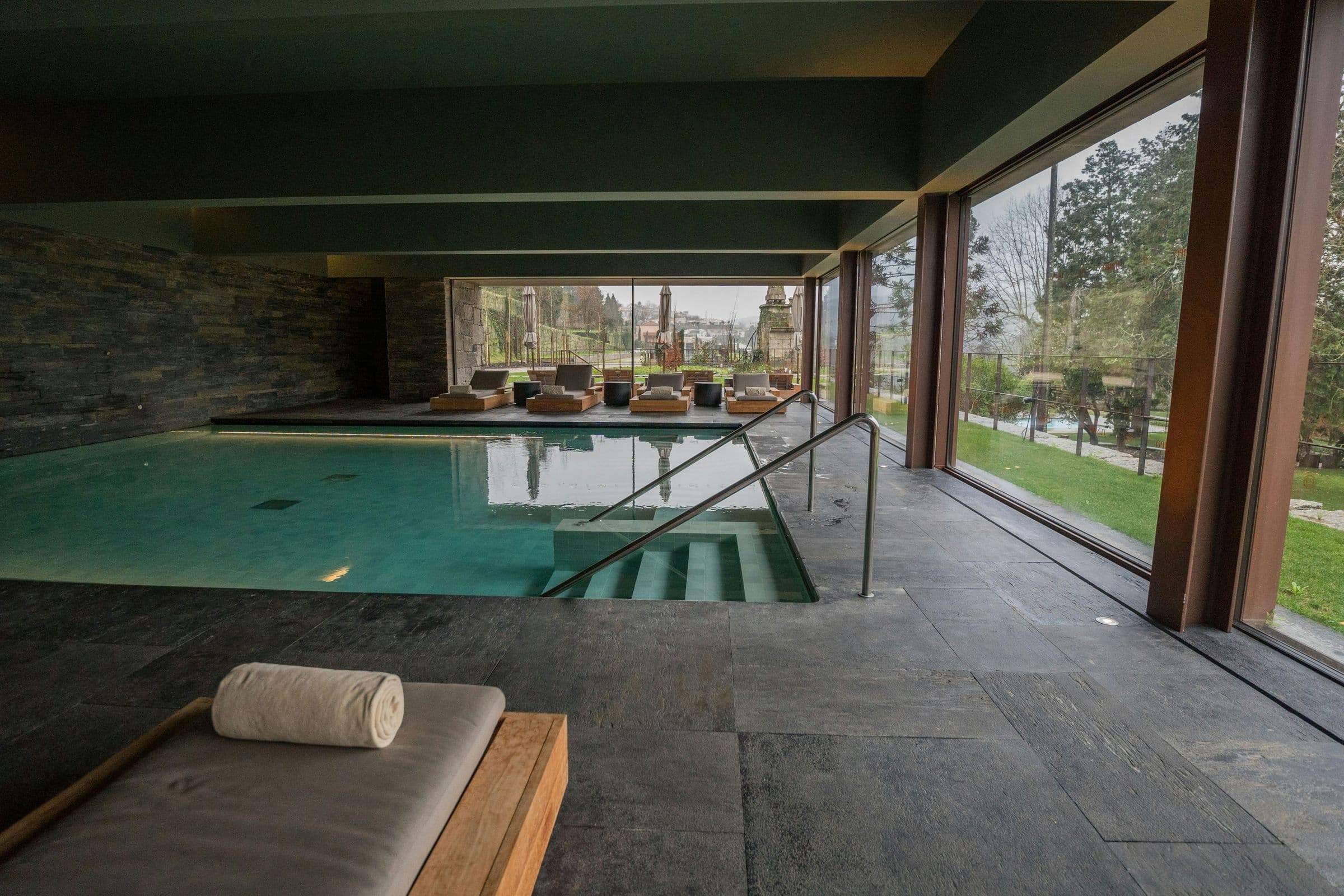
The more useful question is not "which brands?" but "which brand categories fit my property's specific guest profile and physical footprint?" The answer varies considerably between a city-centre business hotel with a rooftop spa and a countryside estate built around wellness as the primary draw. Getting the category right precedes identifying the brand.

What is the difference between in-room placement and a branded experience?
These terms appear in the same conversations and are sometimes treated as synonyms, but they describe fundamentally different commercial relationships. The distinction matters because the two formats carry different revenue structures, different operational requirements, and different implications for guest experience. Choosing the wrong format for a given touchpoint is one of the most common reasons hotel brand partnerships underperform.

How long does a hotel brand partnership take to become profitable?
The honest answer depends on the partnership format, the revenue model, and the quality of the commercial case that was built before the partnership was agreed. A supply contract with a coffee brand generates margin from the first box of capsules. A co-created branded suite with custom amenities and a dedicated PR programme takes longer to recoup its setup costs – but produces a different order of commercial return when it does.

How to drive direct bookings for your hotel
Direct bookings are the holy grail of hotel commercial strategy – lower distribution costs, guest data ownership, and the ability to build a relationship that outlasts the stay. Yet most hotels are still losing 25–40 percent of their revenue to OTA commissions and third-party booking fees. The standard playbook – better website, tighter rate parity, more metasearch spend – matters. But it leaves the most powerful lever untouched: creating in-property experiences that guests specifically seek out, and that no OTA can replicate or promise.

The true cost of OTA dependency – and what to do about it
Most hotel P&Ls show OTA commissions as a line item of fifteen to twenty-five percent. That figure is accurate as far as it goes – but it does not go nearly far enough. The true cost of OTA dependency is a composite of financial charges, strategic constraints, and opportunity costs that most hotel commercial teams have never fully quantified. When you do the calculation properly, the number is rarely below thirty percent and often closer to thirty-five.
How do hotel brand partnerships actually work?
There is a conversation that happens in hotels all over the world. A general manager sits across the table from a wellness brand, or a fitness company, or an artisan food producer, and both parties agree that a partnership makes complete sense. Business cards are exchanged. The conversation ends well. And then nothing happens. Not because the will is absent, but because there is no structure – no process, no commercial framework, and no clear path from "that sounds interesting" to "here is what we both earn from this." Understanding how successful partnerships are actually built is the starting point for making them work.
Reading the guide is the start. The tools do the work.
Every guide links to the free tools that turn the frameworks into numbers for your property – your touchpoints, your ADR, your market.