Wellness Brands are among the most commercially active partnership categories for boutique & independent hotels – brands like Aromatherapy Associates, Bamford, Cowshed, Susanne Kaufmann, Seed to Skin are actively seeking hotel placement, and the commercial models are well-developed. The challenge is in the evaluating brand fit phase: knowing how to approach it without the six-month delay that characterises most failed partnership attempts. This guide gives you the framework.
01Wellness Brands and boutique & independent hotels: the commercial opportunity
Wellness brand partnerships are the most established category in hotel–consumer brand collaboration. The roster of brands actively seeking hotel placement is long – Aromatherapy Associates, Bamford, Cowshed, Susanne Kaufmann, ESPA, Seed to Skin – and the commercial models are well-developed: amenity supply, spa product exclusivity, co-branded treatments, and wellness programming partnerships. The challenge is not supply of willing wellness brands. It is the hotel's ability to evaluate fit, structure fair terms, and activate the partnership to its full commercial potential.
The financial case for wellness brand partnerships is established in White Sky Hospitality's TRevPAR analysis: well-structured wellness partnerships in luxury hotels generate ancillary revenue equivalent to 10–30% of total revenue in high-performing properties, with in-room and spa brand partnerships contributing 3–8 percentage points of that share. The commercial director considering a wellness brand partnership needs a process for getting from concept to signed agreement without the six-month conversation that characterises most failed partnership attempts.
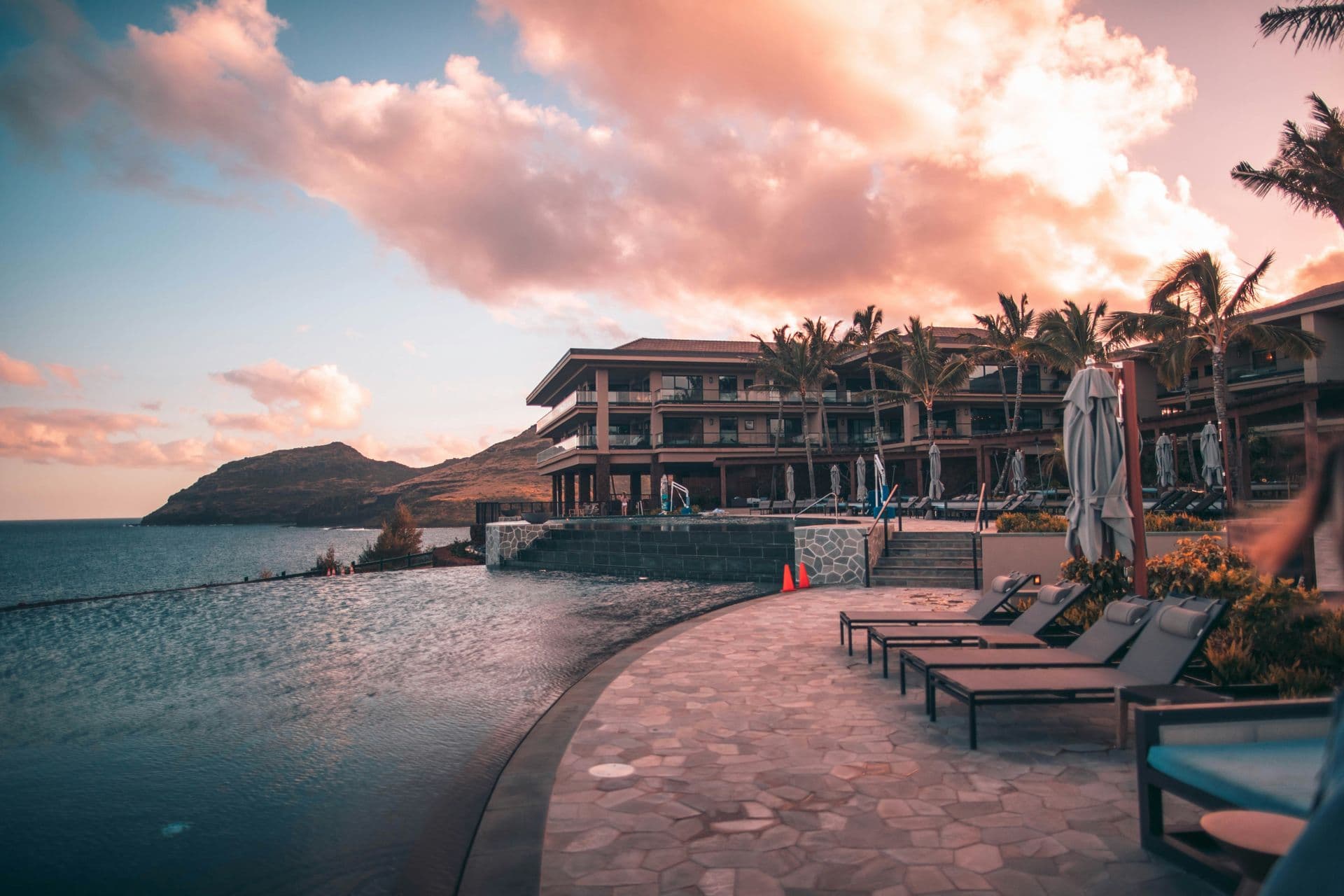
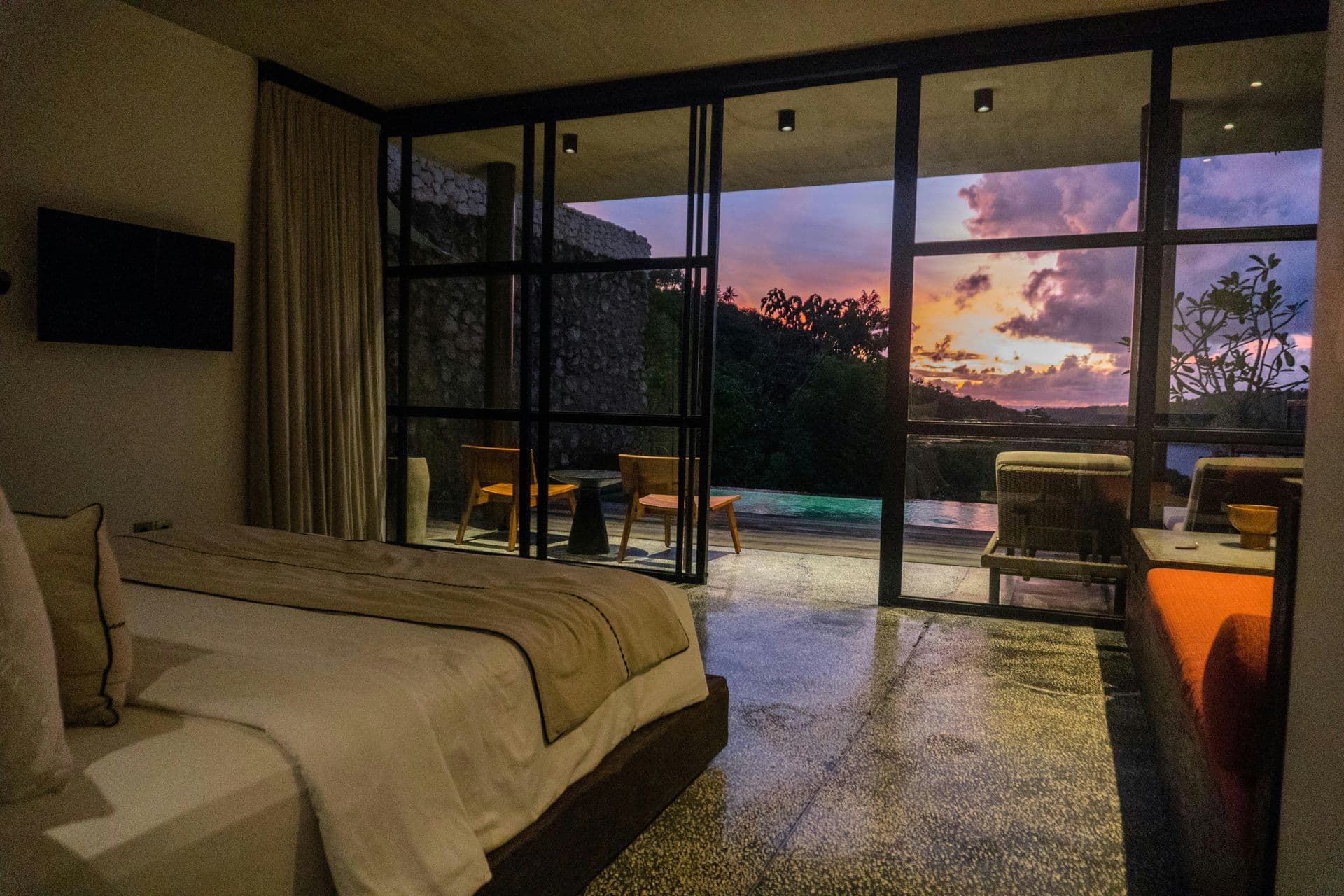
Boutique and independent hotels offer something luxury chains cannot: authenticity. A brand partnership with a 40-key boutique property with a distinctive identity, a loyal repeat guest community, and a strong social media following is a genuinely different proposition from a placement in a 300-room five-star chain hotel. Boutique hotels should market this authenticity premium explicitly in brand partnership conversations – it justifies supply terms and co-marketing arrangements that volume alone would not support. The challenge for boutique properties is operational: activating a brand partnership at the standard the brand expects, with limited staff resources. The key is choosing partnerships with low operational overhead (in-room retail placement is simpler than spa programming) and brands that provide strong activation support.
02What the data shows on hotel brand partnership revenue
White Sky Hospitality's founding analysis of the hotel brand partnership market (whiteskyhospitality.com/why-we-built-brandmatch-and-what-it-can-do-for-your-hotel) documents the structural failure mode in most hotel-brand conversations: "There is a conversation that happens in hotels all over the world. A general manager sits across the table from a wellness brand, or a fitness company, or an artisan food producer, and both parties agree that a partnership makes complete sense. And then nothing happens." The root causes – discovery failure, fit assessment failure, and commercial structuring failure – are the three problems BrandMatch was built to solve.
White Sky Hospitality's TRevPAR analysis establishes that a well-structured brand partnership programme generates TRevPAR uplift of £8–£22 per room night for a 150-room luxury property within 18 months. The paper provides detailed commercial modelling of five partnership models – product placement, spa exclusivity, experience programming, retail mechanics, and co-creation – with ROI analysis for each. Available at whiteskyhospitality.com/from-revpar-to-trevpar-building-ancillary-revenue-through-wellness-partnerships.
03Evaluating Brand Fit: the practitioner's approach
Brand fit assessment is the most important and most skipped step in the hotel partnership process. Hotels routinely enter into partnerships with brands that are commercially available but not genuinely aligned – brands that are the right category but wrong tier, or right price but wrong guest demographic, or right brand but wrong format for the physical space available. The BrandMatch Brand Fit Audit covers six dimensions: brand tier alignment (does this brand's consumer positioning match the hotel's guest expectations?), guest demographic overlap (do the brand's target consumers match the hotel's guest profile?), physical fit (does the product work in the available space?), commercial expectations alignment (do both parties' revenue expectations match each other?), operational feasibility (can the hotel activate and maintain this partnership with available resources?), and brand exclusivity (does the brand want exclusivity that the hotel cannot commercially justify?).
04How BrandMatch accelerates this phase
The BrandMatch Brand Fit Audit (Phase 2 of the BrandMatch platform) provides a structured seven-stage assessment of hotel and brand alignment, covering all six fit dimensions. It is available as an AI-automated assessment at €199 or as a White Sky Hospitality consultant-led audit at €499. The audit output is an in-app report and PDF that gives both the hotel and the brand a clear view of where the fit is strong and where it needs structuring to work.
Questions hotel commercial directors ask
- How do hotel brand partnerships work commercially?
- Hotel brand partnerships operate through five commercial models: supply agreement (hotel pays below-retail for branded product, earns margin on retail), placement fee (brand pays hotel for distribution access), revenue share (parties split treatment or experience revenue), co-creation (joint investment in a new product), and exclusive residency (long-term supply exclusivity in exchange for co-branding). The right model depends on the brand category, the hotel's commercial objectives, and the mutual benefit available. Wellness and skincare partnerships typically use supply plus retail mechanics. Fitness equipment partnerships often involve free or cost-price supply in exchange for brand visibility. Experience partnerships use revenue share.
- What revenue can a hotel expect from a brand partnership?
- Revenue expectations vary significantly by partnership format and hotel type. A skincare brand amenity partnership with a retail component generates £15,000–£50,000 annually for a 100-room luxury hotel at 8–12% guest retail conversion. A spa wellness brand exclusivity partnership generates £30,000–£80,000 annually in treatment revenue uplift and product retail. A fitness equipment partnership with in-room device placement generates £10,000–£40,000 annually through a combination of equipment supply savings and direct revenue. White Sky Hospitality's Business Case Builder (accessible via BrandMatch) models these numbers for your specific property.
- How long does it take to activate a hotel brand partnership?
- A well-structured hotel brand partnership from initial contact to in-room activation typically takes 8–16 weeks: 2–4 weeks for discovery and fit assessment, 3–6 weeks for commercial structuring and contract negotiation, and 3–6 weeks for activation (product delivery, placement, staff training, and guest communication setup). The most common delay is commercial structuring – both parties have misaligned expectations of what fair terms look like, and the negotiation stalls without a framework. BrandMatch's Partnership Roadmap (Phase 3) provides the Agreement Framework that accelerates this phase significantly.
- What makes a hotel brand partnership fail?
- The three most common failure modes in hotel brand partnerships are: (1) Fit misalignment – the brand and hotel are the right category match but the wrong tier or demographic match, leading to a partnership that neither party is proud of; (2) Commercial misalignment – neither party has a clear view of what fair terms look like, so the negotiation collapses or produces terms one party is unhappy with; (3) Activation failure – the partnership is signed but not communicated to guests, not integrated into staff training, and not presented in a way that drives guest engagement. BrandMatch addresses all three: the Partnership Map ensures fit, the Partnership Roadmap provides commercial terms, and the activation deliverables drive guest engagement.
- Which brands are most interested in hotel partnerships?
- The most active hotel partnership programmes in the UK and Europe are in wellness (Aromatherapy Associates, Bamford, Cowshed, ESPA, Susanne Kaufmann), fitness (Peloton, Technogym, Therabody, Hyperice), skincare (Aesop, Malin+Goetz, Le Labo, Dr. Vranjes), nutrition (Nespresso, Rare Tea Company, Planet Organic), and lifestyle (Molton Brown, Penhaligon's, Smythson). Most of these brands have active commercial partnership teams dedicated to hotel placement. The challenge is not finding interested brands – it is finding the right match for your specific property and reaching the commercial terms that work for both parties. BrandMatch's Partnership Map returns a shortlist matched to your hotel's profile.