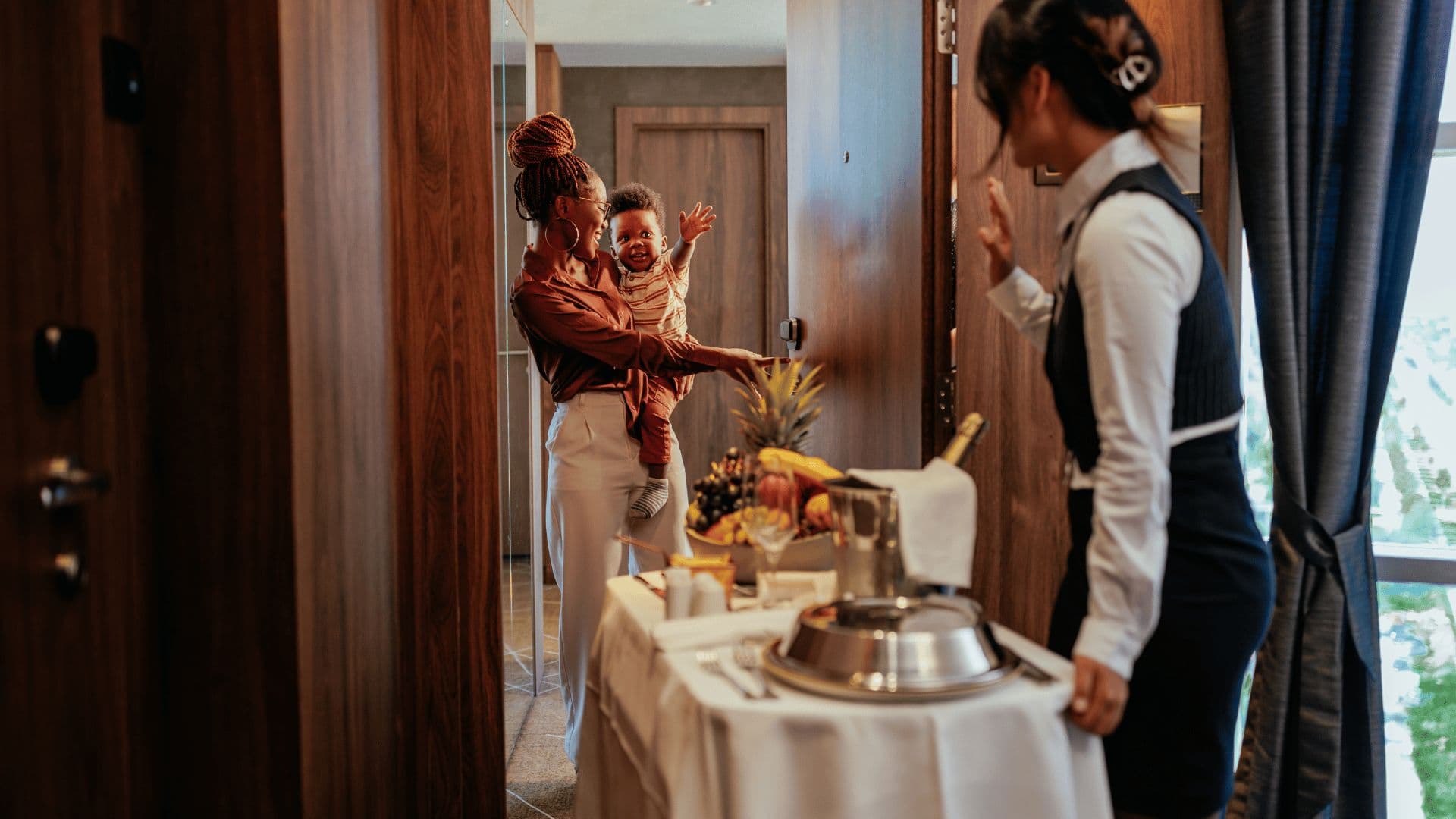
Riyadh's ultra-luxury hotel pipeline and Vision 2030 event calendar have created acute demand for premium nutrition partnerships–yet most properties still compete on generic wellness offerings rather than differentiated F&B experiences that command rate premiums. Your nutrition brand selection directly influences guest perception of luxury positioning, repeat visitation among health-conscious Saudi nationals and international executives, and your ability to justify ADR levels of SAR 1,500+ across peak October–March trading windows. Below we map the evaluation framework for assessing nutrition partnerships against Riyadh's specific competitive landscape, guest expectations, and revenue-per-partner dynamics.
01The nutrition opportunity in Riyadh
Riyadh is the fastest-growing luxury hotel market in the Middle East, and its position as a fastest-growing luxury market makes it commercially compelling for nutrition brand partnerships. The guest profile – Saudi nationals and international business visitors – aligns naturally with premium nutrition across five-star, ultra-luxury, and new premium inventory.
The strategic case for nutrition partnerships in Riyadh rests on three objectives: generating new ancillary revenue from touchpoints that currently produce nothing; growing the hotel's reach into the partner brand's Riyadh-based audience; and strengthening positioning through well-credentialed brand association. The weight given to each varies by property – a boutique Riyadh hotel may prioritise brand elevation, a larger portfolio may focus on revenue – but durable partnerships deliver all three.
Commercial context shapes what's negotiable. Riyadh hotel rates run SAR 800–SAR 2,200 per night for five-star and ultra-luxury (rapidly rising), with demand that peaks October–March; summer heat suppresses domestic leisure demand; Vision 2030 events calendar creates new demand spikes throughout the year. Olaya and King Fahd Road districts dominate luxury; significant new inventory under development across multiple sub-markets. Understanding this landscape before entering partnership discussions determines which formats make financial sense and which contract structures both parties will actually accept.
Saudi guests in five-star Riyadh properties demonstrate minibar spend 40–60% above regional benchmarks for premium nutrition categories, driven by Vision 2030 wellness positioning and compressed leisure seasonality that concentrates demand October–March; placement fees of SAR 15,000–SAR 35,000 annually reflect this spend concentration and the scarcity of premium shelf space across newly opened ultra-luxury inventory on Olaya and King Fahd Road. The barrier has never been demand – nutrition brands actively seek hotel channels in Riyadh but have no structured route to the right properties. BrandMatch removes that barrier.
02Partnership formats and revenue models
Not all formats deliver equal returns for nutrition brands in Riyadh. The most effective structures are In-Room Product Placement, Retail Concession, Digital Touchpoint. Revenue typically comes from placement fees, retail margin on minibar and concession sales. fastest-growing brand partnership market in the Middle East; Vision 2030 creates urgency for international brands to establish Saudi presence; luxury hotel channel increasingly preferred over standalone retail entry. BrandMatch recommends the appropriate format as part of every match.
- 01In-Room Product Placement
- 02Retail Concession
- 03Digital Touchpoint
03What makes nutrition partnerships succeed in Riyadh
Guest dietary profile alignment before category appeal
The first question is not "what is the fee?" but "why is this partnership right for our hotel, our destination, and our guest?" A nutrition partner should feel naturally connected to the property's positioning – not bolted on because the campaign looks attractive. In Riyadh's five-star, ultra-luxury, and new premium inventory market, the wrong association costs more in brand equity than the short-term upside is worth.
Minibar and concession economics as the revenue foundation
Every nutrition partnership in Riyadh needs a defined revenue model and a go/no-go threshold. The key metric is minibar and retail spend per occupied room night. If the only answer to "what does success look like?" is brand exposure, the financial case is weak. Room nights, ADR impact, spa spend, affiliate conversion – all measurable. Exposure alone is not.
Health-conscious guest intent as the demand signal
The real test is whether the nutrition partnership reaches an audience the hotel cannot reach efficiently on its own. The partner's audience should map to Saudi nationals and international business visitors in age, affluence, geography, and brand affinity. Reach without commercial intent is an expensive distraction.
Supply reliability and product freshness before placement
Nutrition Brands partnerships in Riyadh fail most often not at concept stage but at execution. Commercial, marketing, revenue, and operations teams all need defined roles before launch. Legal, procurement, and approval processes need to be mapped in advance. A partnership that cannot survive the internal approval process will struggle on-property too.
Questions hotel commercial directors ask
- How does Riyadh's rapid luxury growth change the strategic case for nutrition brand partnerships?
- Strategic fit requires that the partnership solves a commercial problem the hotel's current channels do not address. In Riyadh, that typically means one of four things: filling shoulder periods with a partner who can activate their audience during off-peak windows; opening a new affluent guest segment the hotel does not currently reach; strengthening direct bookings with a differentiated reason to book direct over OTA; or adding a brand association that elevates the property's positioning in Riyadh's competitive five-star, ultra-luxury, and new premium inventory landscape. The closer the alignment between the nutrition brand's story and the hotel's guest expectation, the easier it is to convert visibility into revenue. A partnership that looks compelling but solves none of these problems specifically is a risk to brand equity, not an addition to commercial value.
- What is the revenue model for nutrition brand partnerships in Riyadh, and how is success measured?
- The revenue model for nutrition partnerships in Riyadh draws from placement fees, retail margin on minibar and concession sales. The most common failure point is a partnership where the only commercial mechanism is "brand exposure" – which is not a revenue model. Before any nutrition partnership in Riyadh is finalised, the hotel needs a clear view of where the money comes from (immediate and downstream), what the minimum viable return is for continuing beyond the pilot phase, and whether the revenue is genuinely incremental or whether the same audience could have been reached through another channel anyway. The cannibalisation question matters more in luxury markets than most commercial teams acknowledge. The primary success metric for this category is minibar and retail spend per occupied room night.
- What nutrition brand opportunity does Riyadh's rapid luxury growth create for hotels?
- Operators should audit current nutrition brand partnerships against minibar velocity data by occupied room night and evaluate whether seasonal demand peaks justify fixed placement fees or variable revenue-share models that protect margin during the April–September shoulder period. The relevant dimensions when evaluating audience fit are age, affluence, geography, travel behaviour, spending profile, and brand affinity. In Riyadh, the right nutrition partner brings access to Saudi nationals and international business visitors – a profile that overlaps with the hotel's existing guests in the ways that matter commercially. The test is whether the partner can influence consideration, search intent, and ultimately bookings or on-property spend, not just create social reach. The guest journey from first exposure to final transaction also needs to be mapped before launch – a compelling campaign with a broken conversion funnel is one of the most common partnership failure points.
- How should a Riyadh hotel introduce a nutrition brand without it feeling like a minibar advertisement?
- Nutrition Brands partnerships in Riyadh's five-star, ultra-luxury, and new premium inventory market work best when they feel curated, scarce, and considered – not promotional. The co-branded story should be sharp enough to be communicated consistently across press, social, on-property collateral, and sales conversations. The activation needs to extend beyond the launch moment: CRM integration, PR, in-room touchpoints, and seasonal extensions all sustain visibility in a way a single launch post cannot. The most important principle in Riyadh's luxury context is that the partnership should feel like an extension of the guest experience, not a commercial overlay. If it feels like a discount campaign in premium clothing, the brand equity leakage is real and measurable.
- What are the commercial and legal essentials before finalising a nutrition partnership in Riyadh?
- The contract needs to address: usage rights for all co-branded assets in every relevant market; clear approval processes for creative and communications output; duration, territory, and exclusivity terms; financial terms and payment structure; performance obligations and go/no-go review points; and termination and crisis clauses. In Riyadh's market – where Olaya and King Fahd Road districts dominate luxury; significant new inventory under development across multiple sub-markets – IP and trademark diligence is essential before any co-brand is finalised. The partner must demonstrate they have the rights to license their brand, logo, and derivative assets in the jurisdictions and categories the partnership requires. A luxury hotel cannot afford to discover late that a partner's values, product quality, or commercial practices conflict with its reputation. The termination and crisis clauses matter as much as the launch plan.